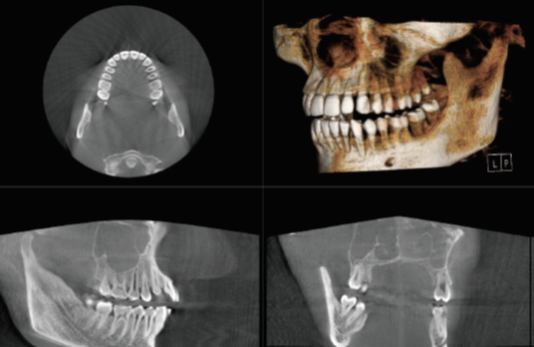
Dr. Smith and Dr. Johnson: Two Approaches to 3D Dentistry


Dr Smith and Dr. Johnson:  Two Approaches to 3D Dentistry

Over the years, ImageWorks has helped thousands of offices make the most of their digital imaging.  We wanted to share a thought about two common scenarios that we often see with dental professionals utilizing cone beam technology in their practices. Let’s describe these in terms of two practice owners. We’ll call them Dr. Smith and Dr. Johnson.  

When it comes to evaluating a Cone Beam, Dr. Smith sees this simply as a cost that needs to be endured, and he thinks of the ROI simply in terms of how much he can get paid for every scan. Therefore, Dr. Smith’s number one objective is simply to minimize that cost as much as possible. With this objective, Dr. Smith will be able to find a cone beam that will be dropped in their office, and Dr. Smith will be on his own. Three months later, the doctor finds that the staff is a little afraid of taking a 3D scan because they have not done many. Perhaps early on, some staff members who only received an hour of training when the unit was installed, didn’t have their first cone beam patient until 3 weeks later. At this point, perhaps they forgot the positioning technique and ended up cutting some anatomy off in the scan. After this experience, the staff became afraid to use it. One year later, the office is only using the system for panoramic scans, and because the unit was designed to use one sensor for both panos and cone beams, in the end, the office has paid a lot of money for a low-resolution panoramic x-ray.

Dr. Johnson, on the other hand, sees the cone beam system as an investment. She knows this investment has the opportunity to enhance her practice in a number of ways:

  • Her staff will be able to create longer-term consulting relationships with her patients from day one. This will allow the practice to have more engaged, longer term discussions with patients, which will make the patient base of the practice more consistent, and the billing more stable.
  • Her staff will spend less time convincing patients of the accuracy of the diagnosis because the patients will be able to see for themselves. More time can be spent discussing treatment options and actually performing dentistry.
  • She will have more confidence in speaking with patients about the treatment plan options, because she has so much more information to determine probabilities and risks.
  • If she does come across pathology that she is not familiar with, she can easily provide plenty of information to a specialist. If that specialist does not know, she can easily engage with a maxillofacial radiologist. She knows that each one of these situations creates further opportunity for learning, because every time she engages a specialist review, she will now be familiar with this pathology next time around. Over time, all this additional information across all of her patients accelerates her knowledge and experience, and there is an exponential growth in learning.

If you have questions about whether a cone beam system could improve you practice, sign up for a 15-minute introduction with us. We would love to chat with you.


Learn more about the X-era Cone Beam System from ImageWorks

How Far Has the Dental Industry Rebounded?

As bleak as things looked in April for dental practices, May showed signs of life and indicators of a potential quick recovery.  However, at that time, uncertainty still prevailed.  Now, as the ADA survey results for the first week of June are in, the rebound continues on it’s robust trajectory.


The ADA released their latest data in which they survey members on a number of questions related to their current activity.  For the week of June 1st, they found another dramatic increase in dental practice volume.  This was marked both by the percentage of practices saying they saw an increase in patient volume…


…as well as the percentage of practices saying they began seeing non-emergency patients. Furthermore, almost 20% of dentists in the survey responded that patient volumes are at or close to normal levels again.


As expected, these levels are not consistent everywhere as certain states are slower to open.  For instance, in New York about 59% of dentist say they are still at less than 25% volume.  Pennsylvania is at similar levels.  Meanwhile, only about 12% of dentists in Florida were still operating at less than a quarter of typical patient volumes.


Overall, a great trend that we will continue to keep a close eye on.

See More Good Articles


Subscribe to Receive More Great Articles

    The Number One Challenge When Adding a Dental Panoramic X-Ray to a Hospital or Urgent Care Clinic


    Background

    There is a growing desire by health care facilities to add panoramic dental x-ray modalities to their capabilities.  The main reasons for this are a combination of the panoramic x-ray’s broad diagnostic capabilities along with it’s low cost and low radiation relative to other traditional medical imaging modalities.  Here are three common applications:


    1.  Emergency rooms and urgent care facilities value the targeted anatomy and field of view as be an ideal modality to assess facial trauma.   For example, as more of these facilities are seeing patients with severe or emergency dental ailments, the staff values the panoramic dental modalities to help determine whether the patient should be referred to a dentist or to another specialist.

    2.  Surgical centers used by dental surgeons that utilize the panoramic image to capture pre and post-surgery x-rays.  

    3.  Self-contained facilities, like military bases, prisons and native american reservations, that must provide full health care to a specific population.  In these scenarios, the facility values the multi-purpose modality that not only can provide dental care, but also offer the broader capabilities mentioned above.


    Challenges

    One of the main challenges that these facilities face is integrating these pieces of equipment with their facility PACs.  The main driver behind this challenge is that most of the panoramic x-ray solution providers are more familiar with traditional dental offices and dental office workflows.  Therefore, most panoramic x-rays are designed and optimized to work in this environment. Unfortunately, Imaging Centers, Health Clinics and Hospitals use very different information systems and workflow, whether it be how procedures are ordered, or how the image is scanned, reviewed and diagnosis performed. Typically, the central hub for x-ray images in these facilities is the DICOM protocol PACs system.


    What is PACs?

    PACs is an acronym for Picture Archiving and Communication system.  This is a unified network of systems that allow many types of medical imaging data available for modern medical diagnosis (e.g. MR, CT, Ultra Sound, etc) to be effectively and efficiently collected, stored and viewed between the various practitioners involved in the care and treatment of a patient.  


    In a typical workflow, a primary or emergency physician will first order a particular image study.  Then the patient will go to the radiology department where a radiology technician will perform the imaging procedure.  The images will then be routed to a Radiologist who will perform a reading and create a report.  This report may contain imaging data diagnosis and treatment recommendations, which would then be sent to the referring physician.  The PACs is the part of the hospital information system (HIS) computer network that supports this activity. 


    What is DICOM?

    DICOM is an acronym for Digital Imaging and Communications in Medicine. This is the standard protocol that PACs systems and PACs connected equipment use to work as a system. The set of DICOM standards are the common rules specifically created and targeted to storing and sending medical diagnostic imaging data that allow independently designed software and hardware to interconnect with each other.  This is analogous to the internet where MACs and PCs use Chrome, Firefox or Safari browsers to access websites running on someone else’s servers.  They accomplish this by implementing various web standards such as https and www.


    Who controls DICOM and why was it created?

    The DICOM standards are controlled by the DICOM Committee of NEMA (National Electronic Manufacturers Association), an industrial trade organization. The impetus for the creation of DICOM standards was to make cross-vendor PACs a reality.  It enables the CT, MR, CR and other diagnostic image sources from different manufacturers to integrate with image archiving and display systems.  Furthermore, DICOM-compliant systems can be configured to work together no matter who manufactured the equipment or developed the software.


    Are there different versions of DICOM?

    The current version of DICOM is Version 3.0.  However, that is only part of the answer. The complete DICOM standard is very broad to cover just about anything you can find in a hospital or imaging center that is related to diagnostic imaging.   The DICOM standards are regularly updated and extended to cover changing equipment (called “modalities” in DICOM-speak) and the requirements of the various specialties that comprise modern medicine.


    Can DICOM image files be viewed on any computer?

    Usually software created to open DICOM images are needed to view DICOM images. This is because DICOM images usually contain additional information, called “metadata” about the patient, the image capture and display instructions.  This metadata is typically not visible when viewing the images on a screen.

    Can a digital Dental Panoramic X-ray Scanner be installed in a PACs?

    Yes, if the panoramic system is DICOM compliant.


    How do I connect to the PACs?

    You will typically connect to the hospital LAN with a standard ethernet cable and will need to configure settings to make connections to 2 distinct systems within the hospital PAC system:

    1.  A connection to the Modality Worklist Server:  This is the system where the operator pulls the list of patients scheduled for procedures.   This allows the details of the patient and study (such as patient name, ID, age, sex, etc.) to be automatically input to the dental panoramic system. 

    2.  A connection to the Image Storage Server:  This is the system that files and stores the images generated by the digital panoramic system so that they can be retrieved and viewed by the radiologists, referring physicians and other medical staff that have access to the system.


    What information do I need to give the Hospital’s PACs administrators to connect a DICOM Compliant Panoramic X-ray to an existing PACs system?

    You will need to speak with the PACs / DICOM department and will need to give them the following information about the Dental Panoramic X-ray.

    • The units IP address
    • The units AET or AE Title (Application entity title)
    • The DICOM modality for the equipment. 


    What information do I need to get from the Hospital’s PACs administrators to connect a DICOM Compliant Panoramic X-ray to an existing PACs system?

    You will need to speak with the PACs / DICOM department and will need to get the following information regarding the PACs.

    For the Modality Worklist Server

    • The Modality Worklist Server’s IP address
    • The Modality Worklist Server’s Port
    • The Modality Worklist Server’s AET or AE Title (Application entity title)

    For the Image Storage Server

    • The Image Storage Server’s IP address
    • The Image Storage Server’s Port
    • The Image Storage Server’s AET or AE Title (Application entity title)


    What staff training will the department expect and require?

    Typically, the radiological technicians on staff will be much more familiar and comfortable with computerized image system but have less experience with panoramic X-rays than staff in a general dental office. It’s important to make sure the trainer understands the unique workflow of the particular facility.


    Learn more about panoramic x-rays

    Learn more about cone beam systems


    If you have questions about how a hospital, urgent care facility or surgical center might benefit from a Panoramic X-Ray, reach out to us, and we would happy to answer any questions you have.


    Subscribe to Receive More Great Articles

      Latest Patient Volume Data As Dental Practices Begin Opening Up


      According to CNBC, the health care sector lost a record 1.4 million jobs in April led by more than half a million job cuts at dentist offices, as the coronavirus pandemic kept most non-emergency health care services on hold nationally.  The staggering jobs losses mark a 53% decline in dental practice employment over two months.  All but 3% of dental offices nationally were shut down except for emergency appointments last month, according to the American Dental Association, and nearly 9 out of 10 had laid off staff. 

      However, as bleak as things looked in April, the first week of May saw nearly half of dental practices bringing workers back, according to the ADA.  As states begin to reopen, last week marked a dramatic increase in patient volume as well staff hiring.


      The ADA released their latest data in which they survey members on a number of questions related to their current activity.  For the week of May 4th, they found a dramatic increase in dental practice volume.  This was marked both by the percentage of practices saying they saw an increase in patient volume…


      …as well as the percentage of practices saying they began seeing non-emergency patients. 


      As might be expected, not all states were seeing the same increases in these two metrics.  The tables below compare state-specific data comparing May 4th responses to those two weeks prior, and those states that began to relax stay-at-home restrictions earlier correlate with the dental practices that saw volume increases.  

      * respondents for these states were less numerous and so have higher uncertainty 

      While everyone would agree that we still have a long way to go until dental practices are able operate at normal levels, these data imply that the first steps have been more dramatic than many expected.  Of course, like so many other areas, all will be watching closely to make sure that relapses in infection rates don’t occur.


      Click here for more good articles from ImageWorks

      How Should a Dental Practice Return to Work After the Coronavirus?

      The ADA found that most dental practices across the country responding to their survey have seen their current patient volume drop over 95%. 

      While balancing caution with a desire to take some steps back to normalcy, every state is developing plans to ease restrictions from the COVID-19.  We have been having many conversations with dental offices that are using their current downtime to prepare for the moment when their state tells them it’s ok to start seeing non-emergency patients again.

      We have found a really effective toolkit to help a dental professional plan for operation of their practice in a world post-COVID-19.  It includes proposals for communications, checklists, and strategies for keeping both patients and staff safe in the waiting room, chairside and the office.   

      Download the Return to Work Toolkit

      We hope you find it useful.  Please feel free to reach out if we can assist in any way.

      But more importantly, please stay safe.

      I’m Installing a Cone Beam in My Dental Office. What Approvals do I Need?


      As Dental Cone Beam systems become more common in dental practices, we are seeing an evolution of the requirements that regulatory bodies are mandating for installation and operation.  While the company you purchase the unit from should be able to advise you on your local requirements, it’s helpful to have some visibility into where to look and what to be concerned about.  The last thing anyone wants is an inspector telling the dental office that they are out of compliance after everything is installed.

      Typically, the requirements for dental cone beam installation and operation are defined at the state level, so this is always a good place to start.  However, be aware that larger cities (e.g. New York City) may have additional unique requirements on top of or independent from the state requirements.  

      While each state may vary, these are some of the common requirements that many states will ask for:

      The first item involves the certification of the installer and the operator.  Most states require that the installer be registered with the state as a certified x-ray technician.  Typically, this requirement would apply to the installation of any x-ray equipment (whether it be a dental cone beam, or an intraoral x-ray).  

      The second area covers the certification of the dental office layout.  Some states have requirements to submit an office plan to the state for review and approval.  Some states require evidence that a radiation physicist has reviewed the plan.  Typically, whoever is reviewing the plan will be looking to see where the dental cone beam will be located in the office relative to other activity in the office.  For instance, the reviewer may be concerned if there is a waiting room on the other side of the wall.  In addition, they will typically be evaluating what shielding exists between the CBCT and adjacent rooms.  While some states look for (or require) lead shielding, many states find traditional dry wall sufficient.  

      The third area involves ongoing maintenance and quality assurance.  It is common that a state will ask that the office simply follow the recommendations of the manufacturer (which are typically outlined in their manual).  However, some states may have additional requirements.

      All of these items are typically not difficult to perform and follow.  However, it is important to be aware of them.  Of course if you have any questions yourself, please don’t hesitate to give us a call, and we can do our best to assist you.

      Learn more about the X-era Dental Cone Beam from ImageWorks


      Subscribe to Receive More Great Articles

        Assessment of Obstructive Sleep Apnea Using a Dental Cone Beam

        Dr. Hansen is a graduate of the Marquette University School of Dentistry and University of Florida College of Dentistry. He is Interim Program Director of Oral and Maxillofacial Radiology at the University of Florida College of Dentistry where he is a Clinical Assistant Professor and has a joint appointment in the University of Florida College of Medicine Department of Radiology. He maintains a private practice in Oral and Maxillofacial Radiology with BeamReaders® and can be reached at: matt@beamreaders.com


        Obstructive Sleep Apnea (OSA) seems to be a hot topic in the world of dentistry. Much like temporomandibular joint dysfunction a decade ago, there is great interest in sleep disorders brought about by new diagnostic measures and treatment options. What was once the purview of the physician, OSA diagnosis and treatment is now intersecting with dentistry. With this new focus though comes misinformation with the disease and the role of the dentist, and in particular cone-beam CT, in its diagnosis. To clear up some of this confusion, let’s talk about OSA and what role imaging plays. In order to do so it’s important to have an understanding of obstructive sleep apnea, how it’s diagnosed, and what the treatment options are. So let’s begin there.


        Obstructive Sleep Apnea

        Obstructive sleep apnea is part of a larger spectrum of sleep diseases referred to as sleep disordered breathing or sleep-related breathing disorders. These disorders are broken into three distinct syndromes, each with its own diagnostic criteria.1

        1.  Obstructive sleep apnea-hypopnea syndrome (OSAHS or OSA), which we will focus on here.

        2.  Central sleep apnea-hypopnea syndrome (CSAHS or CSA), which is periodic cessation of breathing without airway obstruction; this is commonly seen in the setting of heart failure or stroke.

        3.  Sleep hypoventilation syndrome (SVHS), which comprises several disorders where control of breathing is impaired resulting in improper respiration.

        CSA and SVHS may overlap with obstructive sleep apneas. In the aggregate though, these syndromes do not result in obstruction of the airway and we will not consider them in our discussion.

        OSA is a chronic disease affecting around 2-4% of the adult population (3-14% men and 2-5% women) with the highest prevalence among middle-aged men of higher weight.2,3,6 It is characterized by cessation or reduction in breathing with a maintained or even increased respiratory effort.1 As the name implies this is due to obstruction, either partial or full, of the upper airway during sleep and can result in snoring, upper airway resistance syndrome, or obstructive sleep apnea. The repeated airway obstructions cause a progressive asphyxia. This creates an increased respiratory effort against the collapsed airway which continues until the individual is aroused from their sleep.2 The continuous arousal from deeper sleep and sleep fragmentation generates many of the symptoms these individuals complain of, mainly lack of concentration, daytime sleepiness, fatigue, and mood alteration. Over time these symptoms build upon themselves and, as the disease progresses, can cause impaired performance at work, reduction in quality of life, and even major work-related or road accidents.2 The risks do not end at sleepiness however, the Wisconsin sleep cohort study, established in 1988, found a significant increase in mortality over an 18 year period in subjects with OSA.4 With greater understanding of sleep apnea and its influence on health and quality of life, the rising prevalence is becoming a public health crisis.5

        An apnea is defined as cessation of airflow for 10 seconds. In adults, a hypopnea is defined by a reduction in nasal pressure by at least 30% of baseline for a duration of at least 10 seconds and accompanied by oxygen desaturation ≥ 4%.7 In patients 18 or younger a hypopnea is defined as a reduction in nasal pressure of at least 50% compared with baseline, associated with an arousal, awakening, or oxygen desaturation of at least 3%, that lasts for a duration of at least two missed breaths.7 This loss of airflows result in increased respiratory effort to overcome the obstruction. It is this stage, the evaluation of obstructions, that we look to radiographic imaging.

        An obstruction, or airway narrowing and/or abnormal anatomy, lays the groundwork for a sleep apnea. As we progress into deeper stages of sleep there is increased pharyngeal muscle relaxation and loss of the normal muscle tone which leads to an increase in upper airway resistance. It is also known that during sleep the upper airway reflex dilator response is impaired which further serves to increase airway collapsibility and resistance. When the airway collapses or becomes obstructed, we need a stronger respiratory effort to maintain the same airflow.

        For example, imagine running a marathon. At the start your muscles are fresh and oxygenated and you are likely nasal breathing. As the race progresses fatigue sets in and you likely switch to mouth breathing to overcome nasal restrictions. This is similar in a sense to OSA. We try to nasal breathe as it is more efficient but increased resistance causes us to mouth breathe. Obstructive sleep apnea is like trying to run a marathon while breathing only through a straw. As we fall asleep, we lose tone in the pharyngeal muscles. If the airway is small or abnormal to begin with, this may create the perfect condition to obstruct it. To overcome the obstruction, you need to breathe harder which is reflected in snoring, or the vibration of the pharyngeal tissues as the air moves past. A point where the airflow cannot be maintained and we have an apneic or hypopneic episode which causes an arousal. The arousal typically awakens us, muscle tone is restored, respiratory effort is balanced, and we gradually fall back into deeper sleep to start the cycle over again.

        This is the major benefit of cone-beam CT imaging. it provides an anatomical evaluation of the airway at a lower radiation dose and cost than traditional multi-detector CT to detect possible obstructions. By allowing the dentist to evaluate the airway and correlate those findings with clinical examination and history, it puts them in the driver’s seat in identifying potential OSA sufferers and improving quality of life. With estimates that OSA is undiagnosed in 82% to 93% of adults, dentists can be at the forefront in screening for the disease.8


        How is OSA Diagnosed

        Notice that I said dentists can be at the forefront of screening, not diagnosis, as the role of dentistry in OSA has been somewhat controversial. That is because obstructive sleep apnea is a medical diagnosis, made by a physician, and in collaboration with a polysomnogram (sleep study). A recent joint statement by the American Academy of Sleep Medicine (AASM) and American Academy of Dental Sleep Medicine (AADSM) states “patients presenting with symptoms of OSA require a face-to-face evaluation conducted by a qualified physician trained in sleep medicine”.9 The diagnosis of OSA therefore requires consultation with a physician to include clinical examination and diagnostic testing. The clinical evaluation for OSA should incorporate a thorough sleep history and a physical examination that includes the respiratory, cardiovascular, and neurologic systems.10 Furthermore, polysomnography is the standard diagnostic test for the diagnosis of OSA in adult patients in whom there is a concern for OSA based on a comprehensive sleep evaluation.10

        Diagnostic Criteria for OSA:  The Canadian Thoracic Society enumerates this by stating that diagnosis must meet certain criteria as follows.1  The individual must fulfill criterion A or B, plus criterion C:

        A.  Excessive daytime sleepiness that is not better explained by other factors.

        B.  Two or more of the following that are not better explained by other factors:

            • Choking or gasping during sleep;
            • Recurrent awakenings from sleep;
            • Unrefreshing sleep;
            • Daytime fatigue; and
            • Impaired concentration.

        C.  Sleep monitoring demonstrates five or more obstructive apneas/hypopneas per hour during sleep.

        To state concisely, it is a polysomnogram properly interpreted by a physician trained in sleep medicine, and following a clinical examination, that provides the diagnosis for OSA.

        A polysomnogram, or sleep study, is a diagnostic test designed to provide specific information about an individual through equipment and observation. This information can include O2 saturation levels, electrical activity in the brain, respiratory rates, heart rate, stage of sleep, eye movement, body movement, snoring, and unusual behaviors during sleep. This test is typically administered at a sleep clinic although home sleep apnea testing is gaining popularity. With testing at a sleep clinic being the gold standard, it is important that those utilizing home testing have the device evaluated for reliability and the results for validity. If there is any doubt then a proper polysomnogram is the preferred method.

        While the full study is interpreted, what we typically discuss is the apnea/hypopnea index or AHI. The AHI is the average number of apneic or hypopneic events during 1 hour of sleep. There are additional indexes we can look at that include respiratory effort-related arousal, commonly called the Respiratory Disturbance Index (RDI), but we will focus on AHI as that is what most are familiar with. The American Sleep Disorder Association classifies OSA as below:

                       Mild OSA = AHI 5-15

                       Moderate OSA = AHI 15-30

                       Severe OSA = AHI > 30

        It is important to note that this is for adult patients only. There is no threshold for AHI in younger individuals, as any apneic or hypopneic events classifies them with obstructive sleep apnea.11 Another commonly reported value is the O2 saturation nadir, or the lowest recorded O2 saturation value. A typical O2 nadir may be around 95% while anything less than 92% may indicate sleep apnea. Levels around 86% indicate severe hypoxia which left untreated may lead to brain damage or even death.


        How is OSA Treated

        Treatment of OSA is somewhat of a misnomer. In my mind, treatment means a definitive endpoint and is something we are very familiar with in dentistry. A patient presents with a carious lesion in the distal of 13 which is treated with a class II restoration. That’s it, the disease in the tooth is eradicated. A necrotic molar gets a root canal or extraction and a missing premolar gets an implant or bridge. Simple treatment treated simply.

        OSA requires a different mindset, one we aren’t used to as dentists. OSA, much like hypertension, requires management. This can come in many forms ranging from lifestyle modification to surgery, but requires the mentality that one solution does not fit all patients and that our service is not finalized at appliance insertion. Modification and adjustment of our management regimen, like titration, is important as OSA is a chronic disease. Our obligation does not end at the fabrication of an appliance.

        Before we talk about treatment though, let’s back up a bit and talk about risk factors as an understanding of them can help you understand the various treatments.  Clearly being a middle-aged male is a risk factor, so sex and age are risks. Studies have shown that men have an estimated 2 to 3 fold increase in OSA and have found a higher prevalence of the disease among middle-aged and older individuals.12 Other risks include:

        • Hypertension and cardiovascular disease.
        • Craniofacial morphology, something we as dentists are intimately familiar with. Specific areas of risk easily evaluated with CBCT:
          • Retrognathia
          • Macroglossia
          • Elongated soft palate
          • Posterior and inferior positioning of hyoid
          • Cervical spine and TMJ abnormalities
        • Familial and genetic influences play a role.
        • Multiple studies have also shown that higher weight bodies have a higher prevalence of OSA.4,12

        Understanding these risk factors, an initial treatment of OSA needs to consider the correlation of OSA with cardiovascular disease and higher body weights. Management will likely include CPAP, oral appliances, or even surgery too.

        Continuous positive airway pressure (CPAP) treatment is the gold standard for OSA. The device relies on stabilizing the upper airway with a continuous column of air that prevents collapse of the airway and resultant obstruction. CPAP is well-studied with its efficacy proven at managing OSA and reducing comorbidities. Unfortunately, CPAP adherence is low with reports of nonadherence as high as 83%.14 The pattern of CPAP adherence is established early, typically within the first week, and is a good predictor of long-term use which makes it a critical time for success.14 Generally if an individual adapts quickly and maintains compliance, they will benefit from and use CPAP. Poorly adapted or non-compliant individuals, as shown, have very high nonadherence rates. A multitude of factors influence compliance with machine-induced claustrophobia and behavioral/psychological factors playing a key role. Advancements in design and manufacturing have helped alleviate some of these factors, but the problem remains that this is a mask with attached tubing that needs to be worn throughout the night.

        Philips respironic CPAP machine


        Oral appliances will be most familiar to dentists as this is our primary role in management. These can be split into two categories; oral pressure therapy devices and oral appliances.

        Oral pressure therapy devices (OPTs) consist of a mouthpiece connected by tubing to a bedside station, similar to a CPAP without the mask. The device produces a gentle negative pressure in the oral cavity that pulls the tongue and soft palate forward to open up the airway and prevent collapse. OPTs have many positives including a high adherence rate and no severe adverse events.15 However, treatment success is low ranging from 25%-37% and individuals have complained of dry mouth, oral cavity discomfort, and dental discomfort.15

        Winx brand oral pressure therapy device


        Oral pressure therapy mechanism of action


        Traditional oral appliances (OAs) are similar to OPTs in that they prevent collapse of the airway. Unlike CPAP and OPTs, there is no negative or positive pressure applied to the airway. Oral appliances work by repositioning the tongue, mandible, or lifting the soft palate to increase the volume dimension of the airway. Like CPAPs, these have a unique advantage in that some can be titrated to achieve a desired result. Where CPAP titration is based on determining the ideal air pressure for treatment, oral appliance titration is based on adjusting the degree of advancement the device provides. This provides some control to the clinician but is inferior when compared to that of CPAP. However, that is not to say they provide no efficacy. In a recent meta-analysis, the authors found robust evidence that oral appliances reduce apneas and hypopneas while improving quality of sleep.16 Additionally, adherence rates for OAs are consistently higher than those for CPAP.15 Oral appliances continue to be a valid treatment option in OSA.

        Somnodent brand oral appliance


        Airway cross-sectional measurement with and without mandibular advancement appliance

        Without ApplianceWith Appliance

        Surgical treatment is an additional option available to the patient that has been extensively studied. It is generally reserved for those with bulky or misshapen tissue, or those refractory to other treatments. These surgeries range from tongue suppression and resection, maxillomandibular advancement, pharyngeal modification, and nasal cavity surgery. While many of these procedures have been shown to be effective, concerns about morbidity and adverse effects are common.15

        Lateral cephalometric demonstrating maxillomandibular advancement surgery combined with genial tubercle advancement to treat severe OSA


        Sagittal view cone-beam CT demonstrating uvulopalatopharyngoplasty (UP3 or UPPP) to treat severe OSA. Note the tissue recontouring in the posterior nasopharynx and shortening of the soft palate.


        Newer treatments for OSA include hypoglossal nerve stimulation to compensate for loss of genioglossus muscle tone during sleep, pharmaceuticals, and phenotyping to determine the specific pathophysiology of an individuals OSA.15 In reality, it is often a combination of treatments used to manage disease with lifestyle modification being first and foremost.


        The Role of Imaging in Obstructive Sleep Apnea

        To summarize our understanding of OSA, it is a disease whereupon the airway is narrowed or obstructed due to the tongue falling backwards and loss of tone in the pharyngeal musculature during sleep, which subsequently cause apneic and hypopneic events and a drop in blood oxygen levels. The disease is multifactorial and requires diagnosis by a trained physician aided by clinical examination and polysomnogram. There are multiple avenues of treatment with many patients requiring a combination of them to achieve control.

        So where does radiographic imaging come in?

        Well, it would stand to reason that an airway already reduced in dimension or obstructed would predispose an individual to sleep apnea; this belief forms the basis for radiographic imaging and it has now been established firmly that there is a strong correlation between airway narrowing in an awake patient and subsequent airway collapse during sleep.17

        To be clear, CBCT does not diagnose OSA. Anyone that tells you otherwise is incorrect.

        What CBCT does do is provide a detailed depiction of the airway and craniofacial anatomy that allows the clinician or radiologist to identify normal anatomy, variant anatomy, or pathological conditions that may cause obstruction of the airway. This invaluable information, combined with clinical screening, can help identify individuals that may suffer from sleep apnea. Indeed, with OSA afflicting a broad spectrum of people and dangerously underdiagnosed, dentists can serve on the front line of screening.2,3,6,8 Further supporting the dentists role in screening, CBCT made for dental treatment routinely includes portions or all of the upper airway and is made at a lower radiation dose and cost than traditional multi-detector CT used in medicine. Dentists and cone-beam CT are ideally situated for this task.

        Before we talk about how, though let’s address the elephant in the room…How does a radiograph made of a patient standing up and awake have any reliability in predicting the anatomy of a patient supine and asleep?

        Simple, it doesn’t.

        Imaging is not a magic wand that you can wave over the patient and diagnose airway collapse, but it doesn’t matter and we don’t necessarily need the patient supine and asleep. As discussed above, studies have consistently shown there is a strong correlation between airway narrowing in an awake patient and subsequent development of apneas while asleep.17 The fact that a patient is awake and standing during a CBCT doesn’t matter. A narrow airway that will only get narrower when they fall asleep does.

        Normal airway dimensional measurements


        Narrow airway dimensional measurements with false color added to demonstrate restriction. Patient is at moderate risk for OSA.


        Radiographic evaluation of the airway requires systematic and thorough review of the anatomy combined with accurate measuring. If uncomfortable or unfamiliar this is a task best left to a trained radiologist. It is important to review all anatomy in the CBCT for abnormality; however, several key areas have been identified as strongly correlating with OSA:17

        • Soft palate length
        • Oropharyngeal airway length
        • Tongue length
        • Retropalatal cross-sectional measurement
        • Retroglossal cross-sectional measurement
        • Underdeveloped maxilla and/or mandible
        • Inferiorly descended hyoid

        Come on just give me the number.

        The number, the oropharyngeal cross-sectional measurement encompassing the retropalatal and retroglossal measurements, the bane of the radiologists existence. Hyperbole aside, it is important to understand the cross-sectional measurement is just that…a measurement. It is a number generated by manual and augmented segmentation of the airway and susceptible to user variance, patient variance, and software variance. In and of itself it is meaningless, but as part of a systematic review and clinical screening, it can provide a vital understanding of the airway. The oropharyngeal cross-sectional measurement provides us with the smallest diameter of the airway, where it occurs, and whether it is predominantly mediolateral narrow, anteroposterior narrowing, or both.

        Airway cross-sectional volume measurement demonstrating moderate to severe risk of OSA


        The oropharyngeal cross section dates back to many of the early studies utilizing CT for airway assessment.18,19 These studies looked at anatomic abnormalities in patients with OSA to see if there were common findings and what role CT could play in screening. Across multiple studies, consistency started to arise between a cross-sectional measurement of ~50mm2 and severe obstructive sleep apnea. This baseline provides the scale that many radiologists use today:


        Oropharyngeal airway cross-sectional measurement

        OSA Risk

        <52mm2

        Severe

        52-110mm2

        Moderate

        >110mm2

        Mild

        Approximate risk of obstructive sleep apnea based off oropharyngeal cross-sectional measurement


        Key areas of evaluation also include the soft palate length, the total oropharyngeal airway length, the position of the hyoid, and any craniofacial or cervical abnormalities. In younger individuals, it is common to see tonsillar hyperplasia. This strongly correlates with obstructive sleep apnea and adenotonsillectomy is a common first-line treatment of OSA in children.20

        Long soft palate (yellow arrow) with narrow retropalatal space and large retroglossal space denoting a severe risk of OSA


        Inferiorly descended hyoid and narrow oropharyngeal airway space denoting severe risk of OSA


        Exaggerated cervical lordosis (yellow arrow) and narrow oropharyngeal airway denoting severe risk of OSA


        Adenoidal hyperplasia (yellow arrow) and narrow oropharyngeal airway denoting severe risk of OSA


        In summary, an airway evaluation is not just generating a number. It is systematic review of the entire anatomy to evaluate abnormalities and provide an understanding of clinical findings and patient concerns. Above, we just focused on the pharyngeal airway, in practice the nasal cavity, spinal architecture, TMJs, and skull base need evaluation. Our analysis extends from the tip of the nose to the epiglottis and is so much more than a single cross section. To return to our original question as to what role CBCT plays in obstructive sleep apnea evaluation, it turns out quite a bit. Generating a cross-sectional measurement can prove useful, but it is the 3-dimensional depiction of anatomy that proves of greatest benefit. If you’re on the fence about cone-beam CT and obstructive sleep apnea maybe this can help get you off it.


        References:

        1. Fleetham J, Ayas N, Bradley D, et al. Canadian Thoracic Society guidelines: diagnosis and treatment of sleep disordered breathing in adults. Can Respir J. 2006;13(7):387–392. doi:10.1155/2006/627096
        2. Spicuzza L, Caruso D, Di Maria G. Obstructive sleep apnoea syndrome and its management. Ther Adv Chronic Dis. 2015;6(5):273–285. doi:10.1177/2040622315590318
        3. org. (2020). Sleep breathing disorders – ERS. [online] Available at: https://www.erswhitebook.org/chapters/sleep-breathing-disorders/ [Accessed 3 Jan. 2020].
        4. Young T, Finn L, Peppard PE, et al. Sleep disordered breathing and mortality: eighteen-year follow-up of the Wisconsin sleep cohort. Sleep. 2008;31(8):1071–1078.
        5. American Academy of Sleep Medicine – Association for Sleep Clinicians and Researchers. (2020). Rising prevalence of sleep apnea in U.S. threatens public health – American Academy of Sleep Medicine – Association for Sleep Clinicians and Researchers. [online] Available at: https://aasm.org/rising-prevalence-of-sleep-apnea-in-u-s-threatens-public-health/ [Accessed 3 Jan. 2020].
        6. Kapur, V., Auckley, D., Chowdhuri, S., Kuhlmann, D., Mehra, R., Ramar, K. and Harrod, C. (2020). Clinical Practice Guideline for Diagnostic Testing for Adult Obstructive Sleep Apnea: An American Academy of Sleep Medicine Clinical Practice Guideline.
        7. Rajagopalan N. Obstructive sleep apnea: Not just a sleep disorder. Journal of Postgraduate Medicine. 2011;57(2):168. doi:10.4103/0022-3859.81866.
        8. Chiang HK, Long A, Carrico CK, Robinson R. The prevalence of general dentists who screen for obstructive sleep apnea. J Dent Sleep Med. 2018;5(3):55-60.
        9. American Academy of Sleep Medicine; American Academy of Dental Sleep Medicine. Policy Statement on the Diagnosis and Treatment of OSA. American Academy of Dental Sleep Medicine website. [Accessed 3 Jan. 2020]. http://aadsm.org/osapolicystatement.aspx. Published December 7, 2012.
        10. Kapur VK, Auckley DH, Chowdhuri S, Kuhlmann DC, Mehra R, Ramar K, Harrod CG. Clinical practice guideline for diagnostic testing for adult obstructive sleep apnea: an American Academy of Sleep Medicine clinical practice guideline. J Clin Sleep Med. 2017;13(3):479–504.
        11. Berry RB, Albertario CL, Harding SM, et al for the American Academy of Sleep Medicine. The AASM Manual for the Scoring of Sleep and Associated Events: Rules, Terminology and Technical Specifications, Version 2.5, www.aasmnet.org, American Academy of Sleep Medicine, Darien, IL 2018.
        12. Yaggi H. K., & Strohl K. P. Adult obstructive sleep apnea/hypopnea syndrome: Definitions, risk factors, and pathogenesis. Clinics in Chest Medicine, 2010;31(2), 179–186.
        13. Peppard PE, Young T, Palta M, Dempsey J, Skatrud J. Longitudinal Study of Moderate Weight Change and Sleep-Disordered Breathing. 2000;284(23):3015–3021.
        14. Weaver TE, Grunstein RR. Adherence to continuous positive airway pressure therapy: the challenge to effective treatment. Proc Am Thorac Soc. 2008;5(2):173–178. doi:10.1513/pats.200708-119MG
        15. Calik MW. Treatments for Obstructive Sleep Apnea. J Clin Outcomes Manag. 2016;23(4):181–192.
        16. Zhu, H. Long, F. Jian, J. Lin, J. Zhu, M. Gao, et al. The effectiveness of oral appliances for obstructive sleep apnea syndrome: a meta-analysis. J Dent. 2015;43 (12): 1394-1402
        17. Whyte A, Gibson D. Imaging of adult obstructive sleep apnoea. Eur J Radiol. 2018;102:176–187. doi: 10.1016/j.ejrad.2018.03.010.
        18. Li HY, Chen NH, Wang CR, Shu YH, Wang PC. Use of 3-dimensional computed tomography scan to evaluate upper airway patency for patients undergoing sleep-disordered breathing surgery. Otolaryngol Head Neck Surg 2003:129:336–342.
        19. Galvin JR, Rooholamini SA, Stanford W. Obstructive sleep apnea: diagnosis with ultrafast CT. Radiology. 1989;171:775–778.
        20. Lind MG, Lundell BP. Tonsillar hyperplasia in children. A cause of obstructive sleep apneas, CO2 retention, and retarded growth. Arch Otolaryngol. 1982 Oct;108(10):650–654. doi: 10.1001/archotol.1982.00790580044015.


        Learn more about the X-era CBCT from ImageWorks


        Subscribe to Receive More Great Articles

          Why Won’t My Panoramic X-Rays Show the Anterior Apices?

          One of the most common complaints we hear with many panoramic x-ray systems is lack of visibility of the anterior apices – both upper and lower.  The office staff will work very hard on their technique, and they will make sure their panoramic x-ray is precisely calibrated and aligned.  However, with some systems, they cannot consistently capture this anatomy. 

          While technique plays an important role, there are other factors at play, and an often-overlooked root cause may be the equipment.  This is because in many cases, no matter what is done, some equipment just doesn’t have the capability.


          Why does this happen?

          There are a number of factors that make it difficult to capture good anteriors in a panoramic image.  For instance, unlike other parts of the dentition, scanning the anteriors means the beam must travel through the spine, which means the panoramic x-ray must increase the power in the middle of the scan to account for the additional bone.  If the panoramic x-ray is not doing this properly, it can affect this region in the resulting image.  Another factor can stem from technique.  For instance, having the patient swallow and place the tongue on the roof of the mouth can also help enhance visibility in the maxillary region of the image. 

          However (unfortunately), even if all these other aspects are done correctly, the reality is that for many panoramic x-ray machines, they still won’t have the ability to capture this anatomy for many patients.  The reason for this is a combination of anatomy and the limitation of the panoramic x-ray equipment.


          Background

          First, a quick explanation of how panoramic x-rays work.  Most panoramic x-rays, when they rotate about the patient, are capturing a U-shaped layer of data.  This is referred to as the “focal trough”.  Think of a rectangular piece of paper that is bent into an arc and placed on its side.       

          The anatomy that is captured in the panoramic radiograph is dependent on the location and the cross-sectional “thickness” of this focal trough.  If the anatomy falls outside of this U-shaped focal trough, it will not be clearly visible on the resulting image.  Because of this design, the anterior region is much more difficult to capture clearly in the panoramic image.  This difficulty stems from a few challenges that are working against the dental professional – some are obvious, and some are more subtle.

          First, there is the obvious reason that the anteriors are just narrower than the posteriors.  There’s just less margin for error.

          Second, for most of the dentition, the patient’s teeth are roughly vertical.  However, the anteriors (e.g. #8, #9, #24, #25) are typically not.   These teeth, particularly the mandibular anteriors, typically have a dramatic angle to their emergence profile.  As a result of this emergence profile, it can be very difficult (if not impossible on some patients) to capture the crowns and the apices of both mandibular and maxillary anteriors in the same scan.  This is because these points are not all in the same vertical plane.


          Third, the thickness of this focal trough (i.e. what anatomy can be captured) for most panoramic x-rays is also narrower when scanning the anteriors.  This is driven by the physics of most machines that are designed to rotate within a very compact space.  This narrowing means that it’s even harder to capture the full length of both mandibular and maxillary anteriors (because there is even less margin for error).  

          So what is a dental professional to do?  Simply resign herself to not getting good visibility into this region?  Take multiple scans with the patient in different positions?


          There is another way

          There are dental panoramic systems that are not limited to a single plane, and in fact have the ability to capture many focal troughs with one scan.  These systems do this by taking many layers of varying depths in the buccal-lingual direction (some have the ability to capture over 50 layers).  Typically, all this data is captured in a single scan, and then each layer is represented as a separate panoramic scan.  With all this data, the user has the ability to change which panoramic they would like to see with a click of the mouse.

          It’s almost like the dental professional has a stack of many panoramic x-rays with each representing a slightly different view of the anatomy – even those anterior teeth with dramatic emergence profiles. 

          Let’s take a look at an example.

          Here is a section from a typical panoramic radiograph.  In it, because of the reasons we just discussed, we can see that the image does not show the apices of the maxillary anteriors very clearly. 

          If this was taken with a panoramic x-ray that cannot capture multiple focal troughs, then the office is stuck with this image.

          Luckily, because the panoramic x-ray performing the scan has the ability to capture many focal troughs, the operator can choose from any of the other panoramic images that were captured in that scan.  Very quickly, the operator can select the image that reveals #8 and #9.  This image is from the same panoramic scan as the one above.  Same patient.  Same scan.


          Similarly, with the mandibular anteriors, viewing the original panoramic shows lack of clarity in the apices. 

          However, because this patient was scanned on a panoramic x-ray than can shift the focal trough, these apices can also be revealed.  Again, this is done simply by using the data captured during the original scan – no additional scans are needed.  You’ll notice that in this “layer”, the crowns are less visible.  This is because the maxillary anteriors have dramatic angles to the emergence profiles and therefore the crowns are in a very different layer than the apices.


          So, in summary:


          Luckily, ImageWorks has you covered on this front.  The panoramic modality of both our 2D Panoura 18S Panoramic X-ray, as well as our X-era Cone Beam capture over 50 layers every time a pano is taken.  This is with no additional time and no additional dosage.  Furthermore, this is done automatically for every scan, so there’s also no additional clicking, adjusting or futzing by the operator.  

          In addition, it’s worth noting that the operator can easily save as many “layers” as they like in the patient’s study as separate panoramic x-rays.   Many of our offices will take advantage of this capability by storing multiple panoramic images for a particular patient scan because it’s so quick and easy to do so.  This allows them to take full advantage of all the information the system can offer.

          If you would like more information or would like to see for yourself, give us a call.


          Learn more about the X-era CBCT from ImageWorks

          Learn more about the Panoura 18S Panoramic X-Ray from ImageWorks


          Subscribe to Receive More Great Articles

            Cone Beam Case Study: Overextended Obduration


            Dr. Matt Hansen is Clinical Assistant Professor of Oral and Maxillofacial Diagnostic Sciences in the Division of Radiology and the College of Medicine at the University of Florida


            Imagine a radiograph free of superimposition and distortion, cost effective, and easily tolerated.  Now imagine full manipulability, being able to reconstruct and reformat the radiograph in any plane you desire, and the ability to diagnose and treatment plan in 3-dimensions. It’s not challenging to visualize how this could benefit health care and lead to improved patient outcomes.  Indeed this is the very reason Computed Tomography (CT) has exploded, but dentistry lagged behind our physician colleagues in use of this technology.  There were many barriers.  Limited access to CT scanners, a higher cost, concerns of radiation exposure, and lack of familiarity were all reasons for under-utilization.  Where dentists saw a problem, imaging companies and scientists saw a solution and cone-beam computed tomography (CBCT) was born.

            Cone-beam CT provided the advantages of more traditional multi-detector CTs utilized primarily in medicine, but without many of the drawbacks.  This led to rapid adoption by the field of dentistry. With the ability to now diagnose and plan treatment using 3-dimensional radiographs, CBCT is leading the digital revolution in dentistry and providing unparalleled information to drive clinical and patient confidence.

            With this in mind, I wanted to share a few example cases where the Cone Beam scan played a vital role in patient diagnosis and treatment.


            Endodontics

            Among clinicians, few have benefited as greatly as endodontists with the introduction of CBCT.  The ability to view complex root canal systems, free from superimposition and distortion, has been a resounding success.  CBCT does not end at canal anatomy however.  The information gained about sinus pathosis, neurovascular channels in the vicinity of treatment, resorptive defects, and root fractures are invaluable. It is easy to see why new accreditation standards for endodontic residency programs include in-depth training in CBCT. It’s easy to promote the benefits of 3D imaging, but as they say:  a picture is worth a thousand words. To illustrate: An older female presented to her dentist with a chief complaint of sensitivity in the left maxilla.  Following clinical examination which localized the pain to the premolar region, a periapical radiograph was made.

            The radiograph depicted endodontically-treated 13 with a persistent periapical radiolucency.  The obturation of 13 was over-extended and re-treatment was planned. This is an everyday occurrence in dental offices throughout the country.  In terms of confidence, we know:

            • There is an apical lucency on 13
            • The obturation is over-extended,
            • The patient has localized pain to this tooth.

            But do we know why?

            Our treatment options depend on our diagnosis. How confident are you in your diagnosis? Neither was the clinician, so they asked for a CBCT.

            In a world of grey, the CBCT was black and white.  The patient had an unobturated buccal canal (yellow arrow).  With confidence in our diagnosis, we have confidence in our treatment.


            Implants

            Implant dentistry has been another benefactor of 3D imaging. The ability to accurately assess bone quality and quantity, as well as the morphology and local anatomy, has dramatically increased the access of implant dentistry. Now one is able to accurately assess a site, plan the placement and surgery virtually, and then 3D-print a surgical guide. With these tools, implants are within the reach of all clinicians. It’s not just implant planning and guide creation that benefits us; it’s recognition of anatomy, accurately portrayed, that drives CBCT.

            Let’s look at a case where the CBCT prevented violation or aberrant anatomy. This was an older gentleman with failing #14 interested in replacement with an implant.  A panoramic radiograph was made for initial assessment.

            The panoramic depicted sufficient bone in the left maxilla and the patient was planned for extraction, socket preservation, and later implant placement. The patient’s healing was unremarkable. The socket preservation healed appropriately and aided in bone conservation. In preparation for surgery, a CBCT was made.  Fortuitously so, because it depicted the posterior superior alveolar neurovascular channel entering into the alveolar process at the surgical site. The yellow arrows point to the canal.

            The posterior superior alveolar neurovascular channel is the conduit for the nerve and artery of the same name.  They arise, as branches of the maxillary artery and nerve, in the pterygopalatine fossa and extend inferiorly and anteriorly along the maxillary sinus wall.  The channel can be classified into 3 main types: a canal, a groove in the sinus wall, or a combination of an intraosseous and extraosseous route. Typically, the canal is located more superior on the sinus wall, far out of the reach of an osteotomy drill, but in this case the channel had descended into the alveolar process and was located at the apex of the proposed site.  Without CBCT, we would not know this vital structure was there until it was too late. CBCT is a game changer, not just on the planning side but also in avoiding complications.


            Oral Surgery

            When talking about avoiding complications, it would be remiss to not discuss the great strides CBCT has made in oral surgery procedures.  From neoplasm assessment to surgical planning, CBCT has revolutionized the diagnostic work-flow of surgical practice.  Tumors can be resected with confidence, Le Forts can be planned, and fractures can be approximated and fixated with accurate knowledge of the local anatomy. Now these are limited procedures outside the scope of a general dentist office, so most would ask how does this benefit me? Look no further than the third molars.

            Third molar extraction is a common oral surgery procedure with some estimates of up to ten million wisdom teeth extracted annually. Many complications can arise from third molar extraction ranging from mild discomfort to paresthesia.  Mandibular canal location is of utmost importance when considering extraction of 17 and 32, and this is where CBCT shines. Previously a dentist could only rely upon cryptic signs such as canal darkening, narrowing, displacement, or interruption to determine mandibular canal. The sensitivity and specificity of this method tended to be poor in evaluating canal proximity. With potentially permanent and litigious complications, better evaluation is needed when there is doubt as to canal involvement.  Here is a panoramic radiograph reconstructed from a CBCT volume.

            The panoramic depicted impacted 17 and 32, with 32 being in close proximity to the mandibular canal. A CBCT was clearly justified.  The volume was evaluated and the canal was identified for the clinician.

            Upon review it was clear the canal contacted the roots of 32. A more interesting finding was noted in that the mesial root for 32 bifurcated at the apex and the canal traveled through this split. Having this information available enables the clinician to make confident and informed decisions, consenting or referring the patient as appropriate, and provide the appropriate treatment options.  An accessory mental foramen was incidentally noted in this study, an uncommon anatomical variant, and the patient was delighted to hear they were a rare and special individual.

            These are just a few examples of CBCT use in the modern dental office.  The diagnostic information gained combined with the efficiency, cost effectiveness, and relative low-dose of CBCT make it unparalleled in radiographic assessment.  Of course, with all the power that comes with 3D dentistry, having the equipment that maximizes your visibility will allow you to make the most from this modality.  The X-era CBCT from ImageWorks is the world’s first 0.2 mm focal spot CBCT, which will allow you to see most than you ever have.

            Learn more about the X-era CBCT


            Subscribe to Receive More Great Articles